Succulent Floral Cross Stitch Embroidery Review
A First Look at the Design
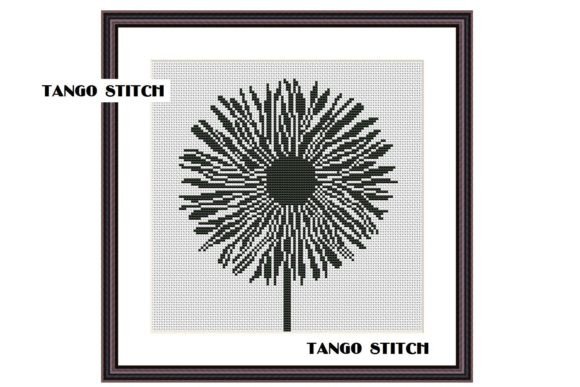
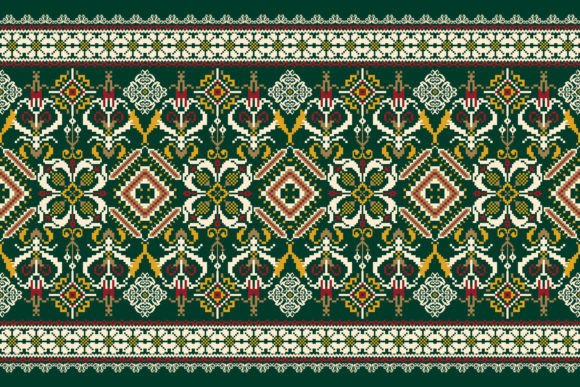
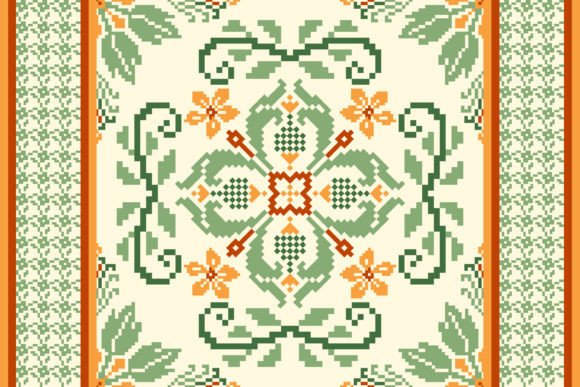
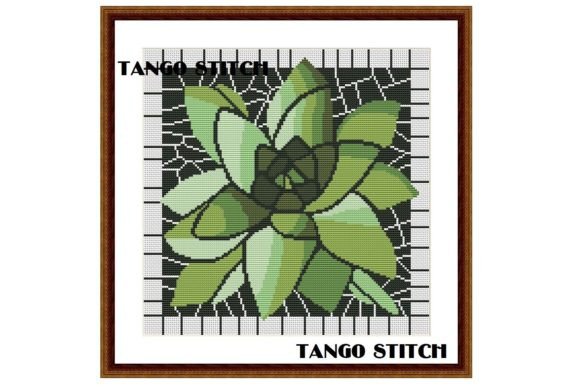
At first glance, Succulent Floral Cross Stitch Embroidery feels like a breath of fresh air. The design carries a gentle, whimsical mood that’s perfect for those who love the charm of botanicals without the intensity of more dramatic floral themes. The layout is balanced and centered, with soft curves and rounded edges that give it an approachable, almost playful personality.
The theme of succulents is a smart choice—these plants are both trendy and timeless, making this pattern a versatile option for various embroidery projects. The detail level is just right; it's not overly intricate but still offers enough visual interest to stand out on fabric. It feels like a natural fit for handmade products that aim to be both cute and functional.
Real-Life Application: Custom Tote Bag Project
Imagine preparing a custom embroidered tote bag for a small shop or Etsy listing. Succulent Floral Cross Stitch Embroidery would look great in the center of a canvas tote, especially if paired with a simple border or monogram. Its soft, muted colors and rounded shapes make it feel friendly and inviting, which could attract customers looking for eco-friendly, personalized items.
When considering how this design performs in real-life situations, I think about how it would translate onto different surfaces. On a tote bag, the design would sit well on a medium-weight cotton fabric, provided you use a proper stabilizer to prevent puckering. For a sweatshirt or t-shirt, it would need to be placed in a location where the fabric isn’t too stretchy or thin, as this could affect the clarity of the stitches.
This design also has potential for baby clothes or nursery decor. The softness of the motif makes it ideal for items like onesies, blankets, or pillow covers. It would add a touch of nature without being too bold or overwhelming for little ones.
Where to Use with Caution
While Succulent Floral Cross Stitch Embroidery is a strong contender for many projects, there are a few areas where it might require careful consideration. For instance, using it on very small hoop sizes could cause the details to get lost or distorted. Similarly, placing it on textured or stretchy fabrics may lead to uneven stitching or a less polished finish.
If you're planning to use it on dark-colored fabrics, it’s important to check the thread color contrast. While the design is likely intended for light backgrounds, experimenting with black or navy threads could help it pop on darker materials. However, always test the design on scrap fabric first to ensure the colors work well together and the stitch density doesn’t become too heavy.
For commercial embroidery projects, such as patches or promotional merchandise, the design should be reviewed for its scalability and adaptability. It might need some tweaking to ensure it looks consistent across different sizes and applications, especially when used as part of a larger design or branding element.
Design Impact and Practical Considerations
The visual appeal of Succulent Floral Cross Stitch Embroidery lies in its simplicity and charm. It can elevate a basic handmade product into something more special, adding value and uniqueness that customers appreciate. When used correctly, it enhances the handmade presentation of a project, making it feel more intentional and thoughtful.
From a business standpoint, this design could be a great addition to a craft seller’s portfolio. It fits well with boutique branding, holiday gift items, or even digital product previews. The ability to use it on a variety of surfaces—from embroidered patches to personalized gifts—makes it a flexible asset for any creative entrepreneur.
However, it’s essential to consider licensing terms before selling finished items or digital versions of the design. Always confirm whether the design allows for commercial use and understand any restrictions that may apply.
Embroidery Designer Notes
As a designer, I recommend testing Succulent Floral Cross Stitch Embroidery on scrap fabric before committing to a final project. This will allow you to see how the thread colors interact with the fabric texture and how the stitch density affects the overall look. Also, consider reviewing the design in black and white mockups to assess its clarity on different backgrounds.
Checking the hoop size and ensuring the design is compatible with your machine or hand-stitching method is another key step. If you’re planning to use it for commercial embroidery, double-check the file format and compatibility with your software or embroidery machine.
Lastly, don’t forget to use the right stabilizer, especially when working with delicate or stretchy fabrics. A good stabilizer will help maintain the integrity of the design and ensure a clean, professional finish on any finished product.